
Discover the Explosion of Flavors at a Thai Restaurant
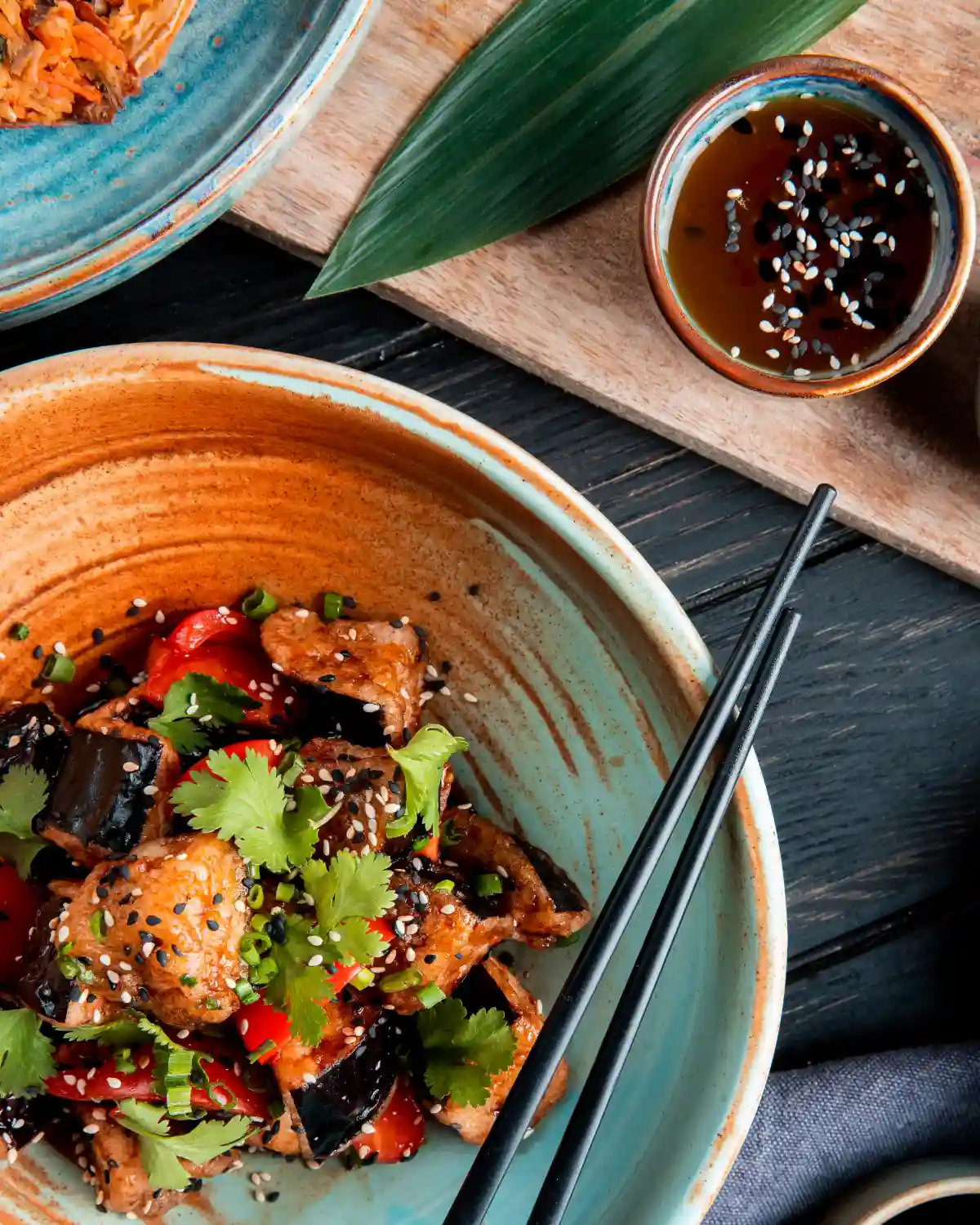
Walking into a Thai restaurant is an adventure for your senses. The smell of lemongrass, the heat of chilies, and the sizzle of woks create an atmosphere that is instantly exciting. Unlike many other cuisines that focus on one main taste, Thai food is all about complexity.
In this guide, we explore why Thai food has become a global favorite. We will cover the secrets behind the flavors, the proper way to eat, and how students can turn a love for these exotic ingredients into a professional culinary degree in the USA.
The Four Pillars of Taste
Thai cooking is famous for its balance. A good chef never relies on just one flavor. Every single dish is a careful balancing act of four key elements: Sweet, Sour, Salty, and Spicy.
When you take a bite of Tom Yum soup or a Green Curry, you should taste all of these at once. The lime juice provides the sour, fish sauce gives the salty, palm sugar adds the sweet, and fresh chilies bring the heat. It is this combination that makes the food so addictive.
Forget the Chopsticks (Mostly)
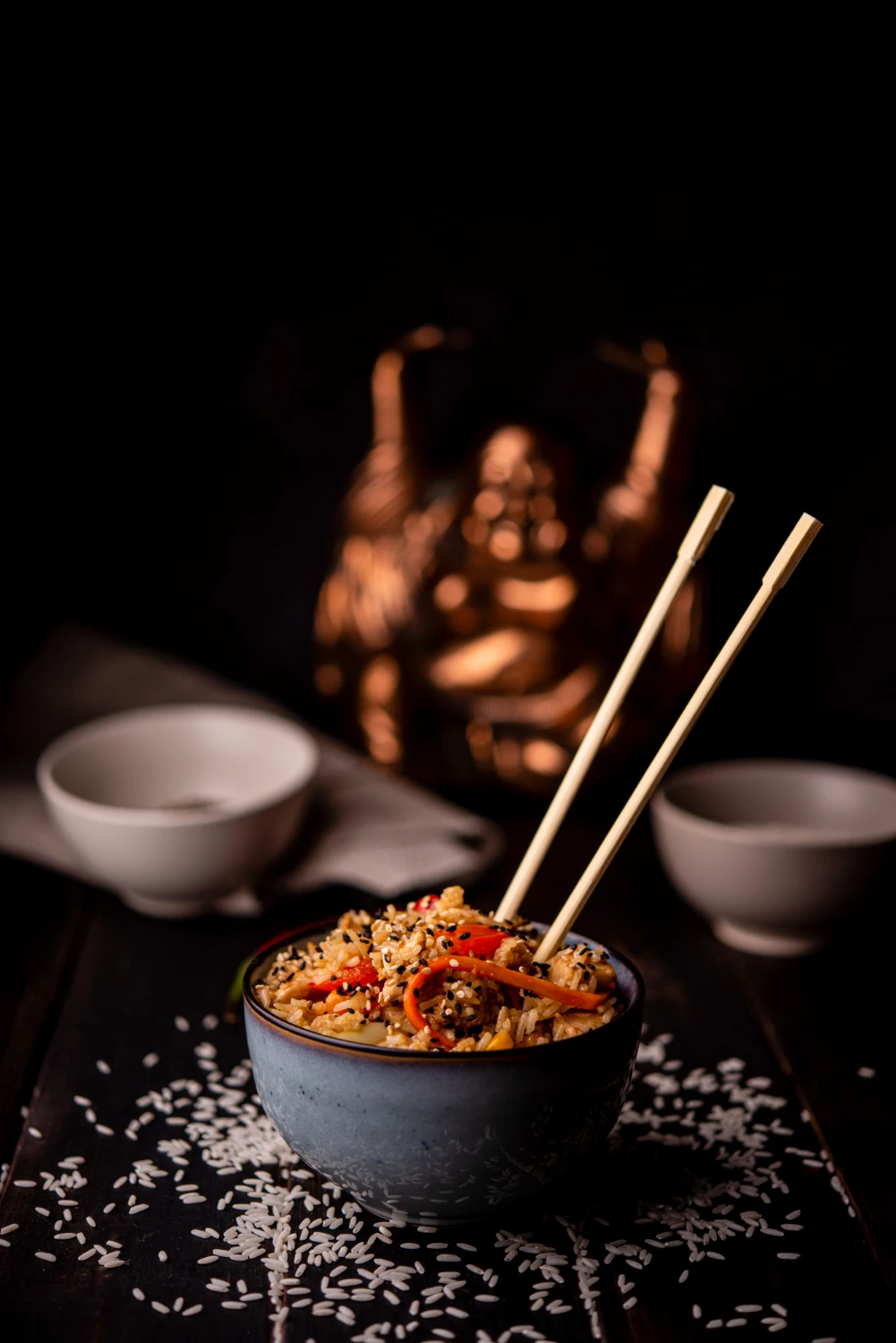
There is a common myth that you should eat everything with chopsticks in a Thai restaurant. Actually, the traditional way to eat rice dishes is with a spoon and a fork. You use the fork to push food onto the spoon, and you put the spoon in your mouth.
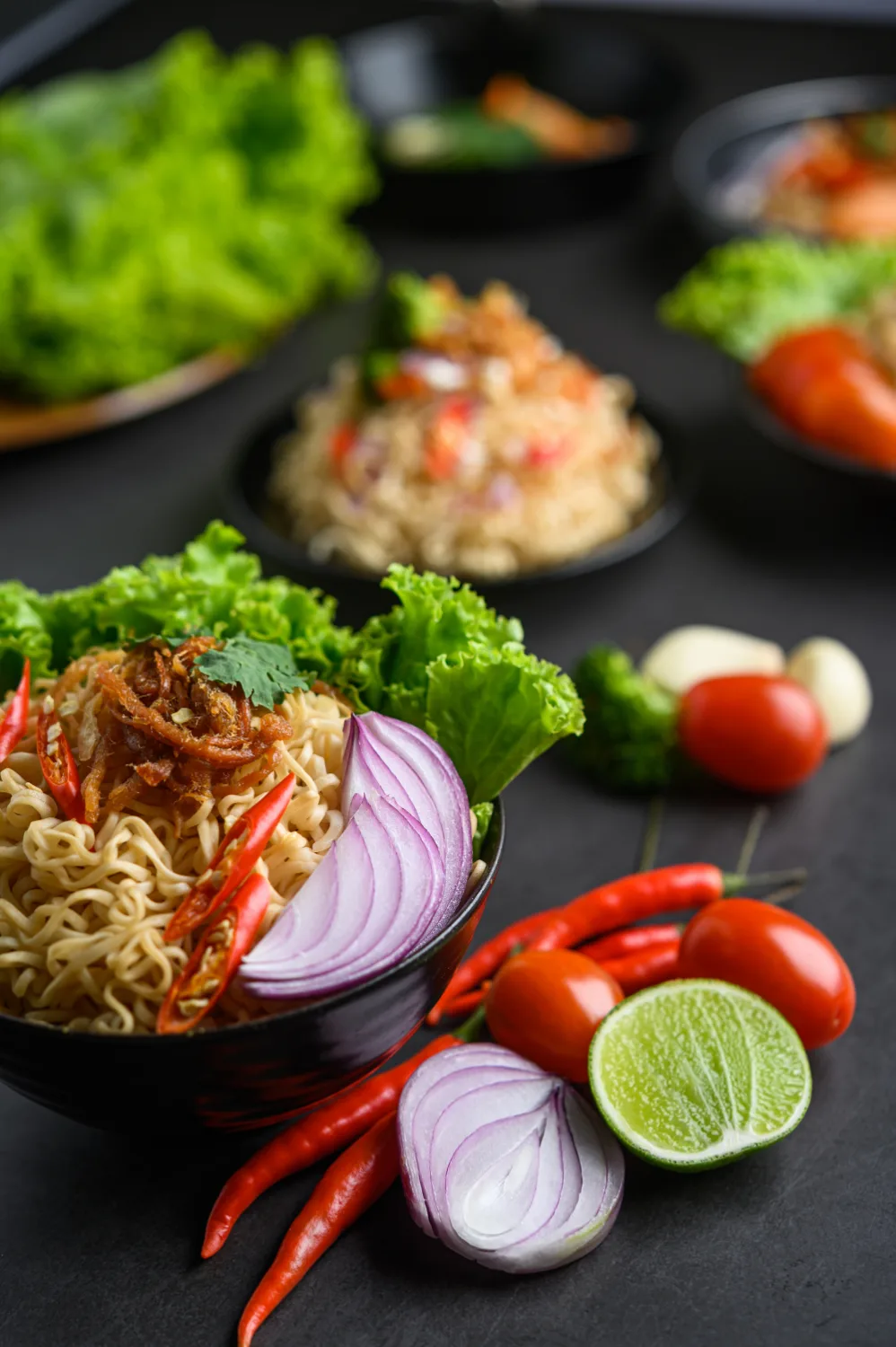
Chopsticks are generally reserved only for noodle dishes like Pad Thai or Noodle Soup. Using chopsticks for rice is considered clumsy and incorrect in Thailand. Knowing this small rule will make you look like a pro next time you order dinner.
Family Style Dining
In the West, we often order our own plate and keep it to ourselves. In Thai culture, eating is a communal activity. The best way to enjoy a meal is to order “Kap Khao” style, which means ordering several dishes to place in the center of the table.
Everyone gets their own plate of steaming jasmine rice, and you take turns spooning different curries, stir-fries, and salads onto your rice. This is perfect for students because you get to try five different things for the price of one meal.
The Health Benefits of Herbs
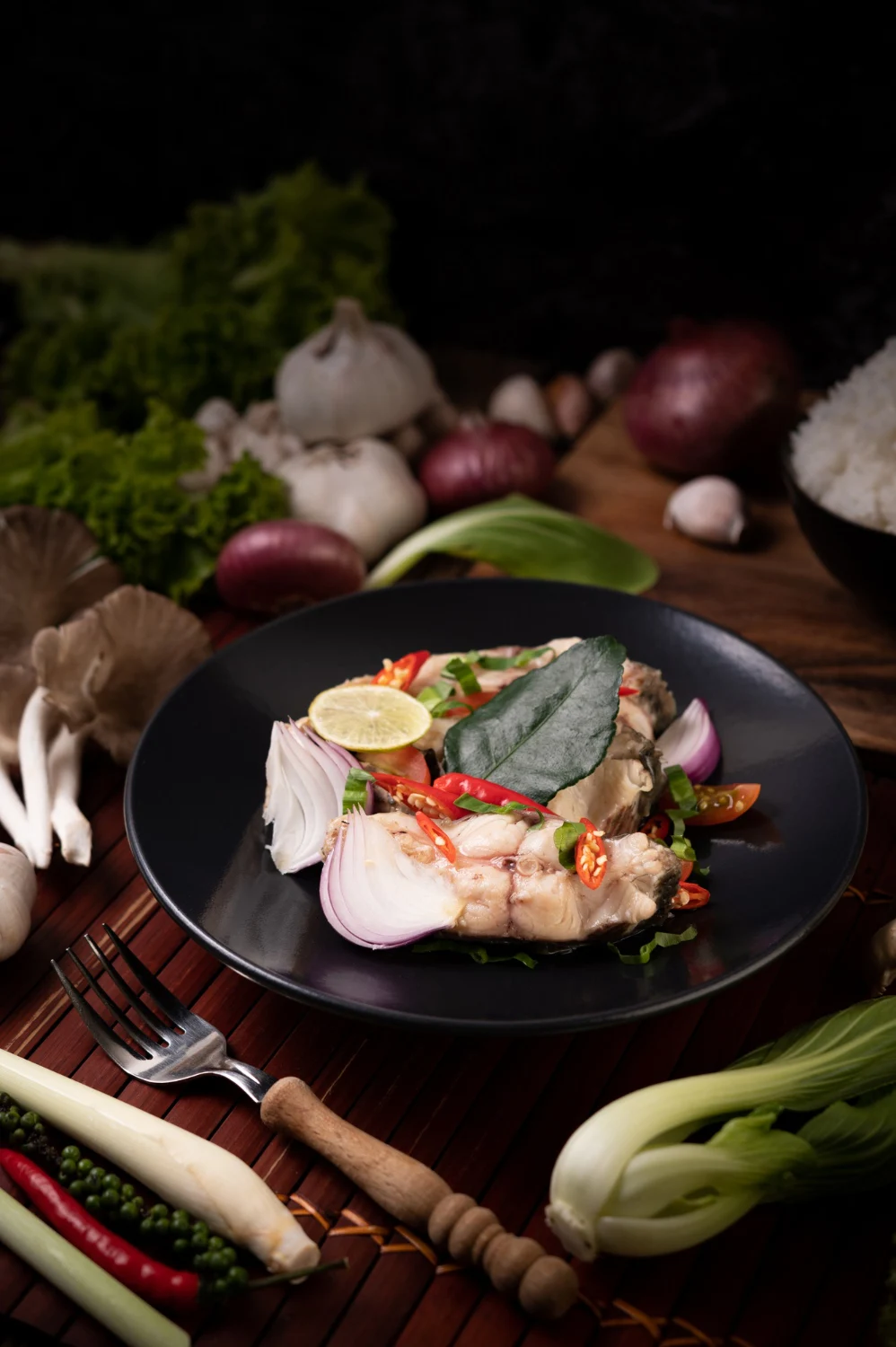
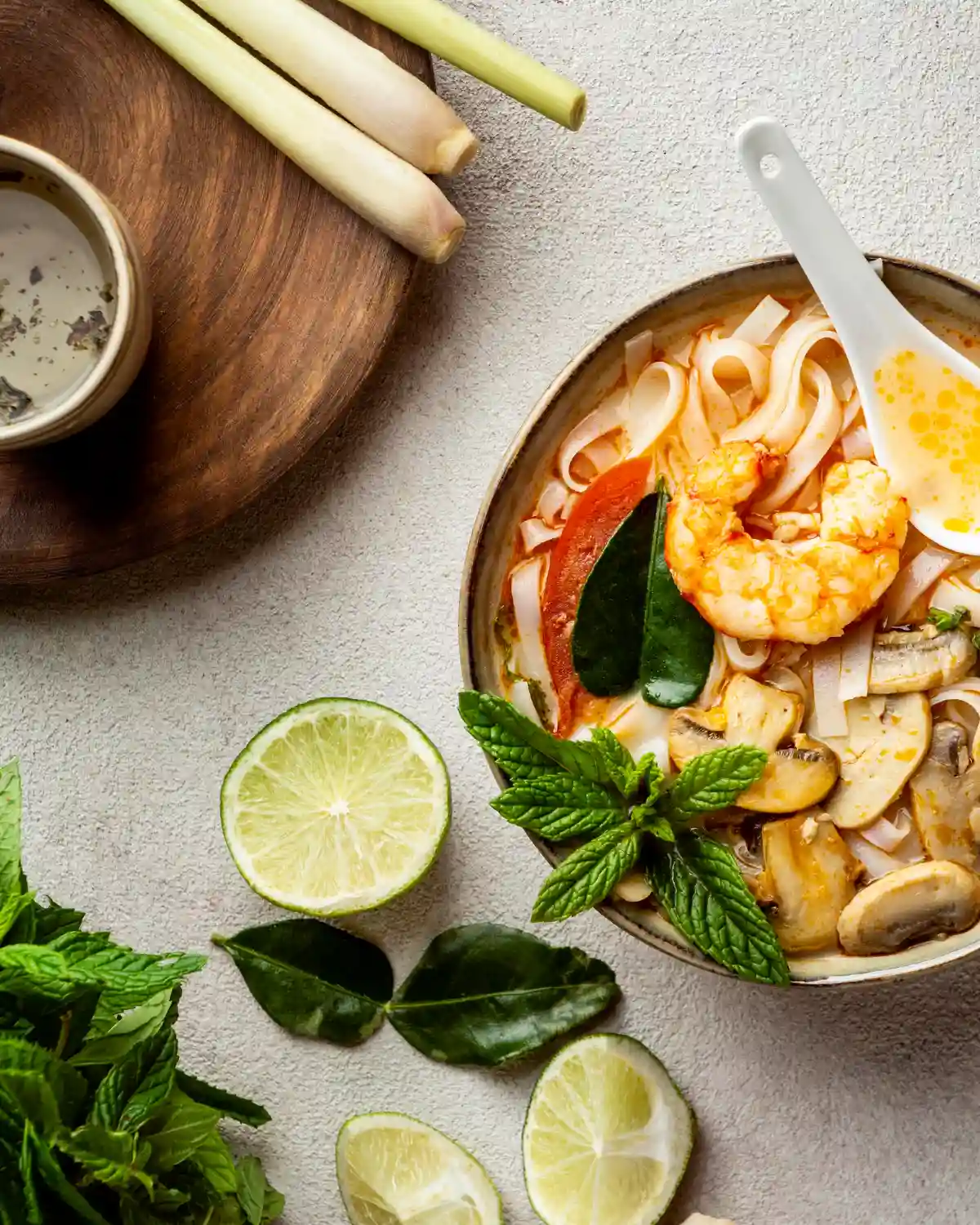
Thai food is incredibly good for you because of the fresh herbs and spices used in every dish. Ingredients like galangal (a type of ginger), lemongrass, and kaffir lime leaves are packed with antioxidants and vitamins.
Many of these ingredients are used in traditional medicine to fight colds and improve digestion. So, a hot bowl of spicy soup isn’t just tasty; it is actually a great natural remedy when you are feeling tired or under the weather during exam season.
Understanding the Spice Levels
“Spicy” in a Thai restaurant can mean very different things depending on who you ask. There is “Western Spicy,” which is usually mild, and then there is “Thai Spicy,” which can be incredibly hot.
If you are new to the cuisine, start with “Medium.” If you want to impress your friends and try the real deal, ask for “Phet” (Spicy). But be warned: Thai chilies are small but powerful. Having a sweet Thai Iced Tea nearby is a good strategy to cool down your mouth.
Street Food Culture on a Plate
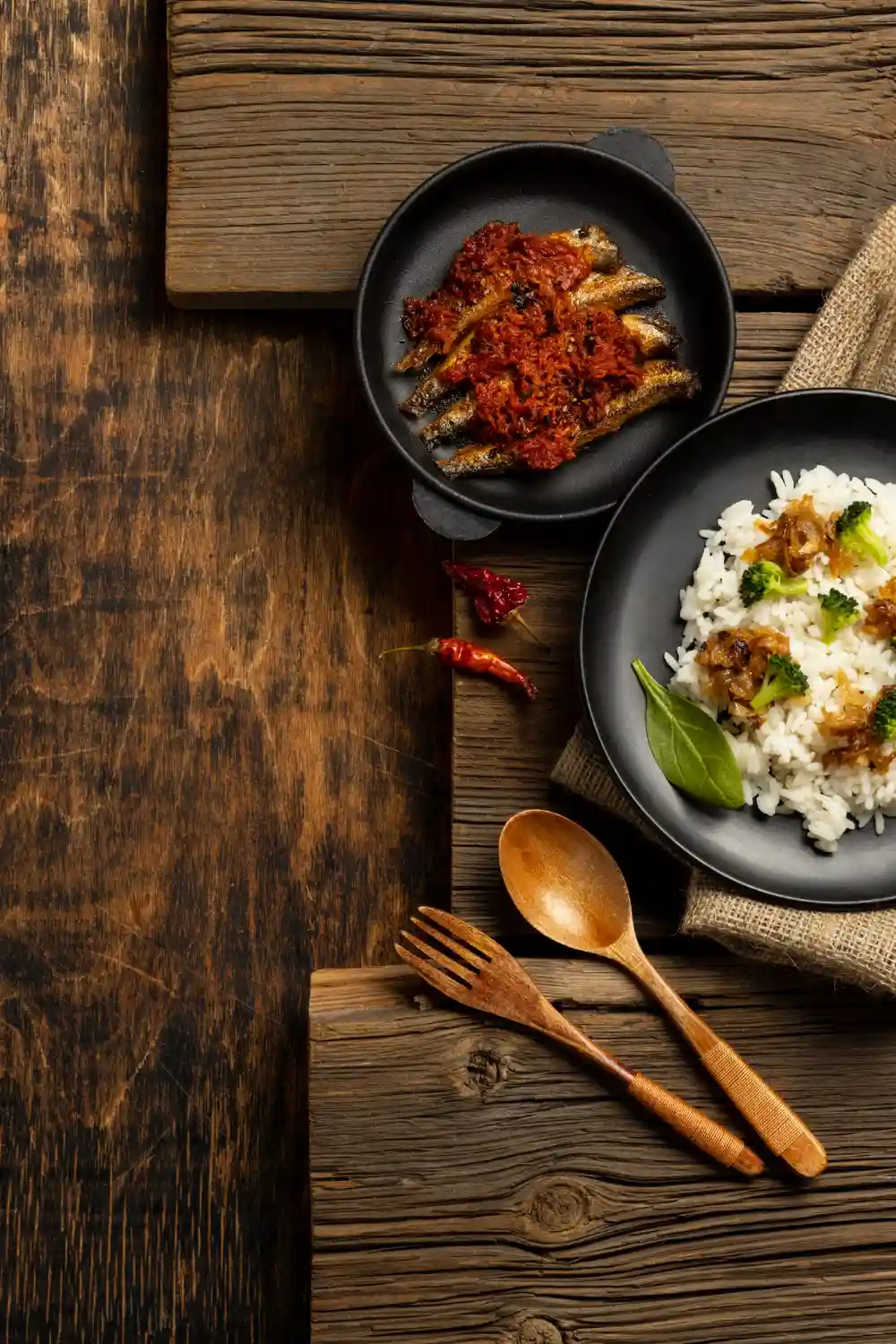
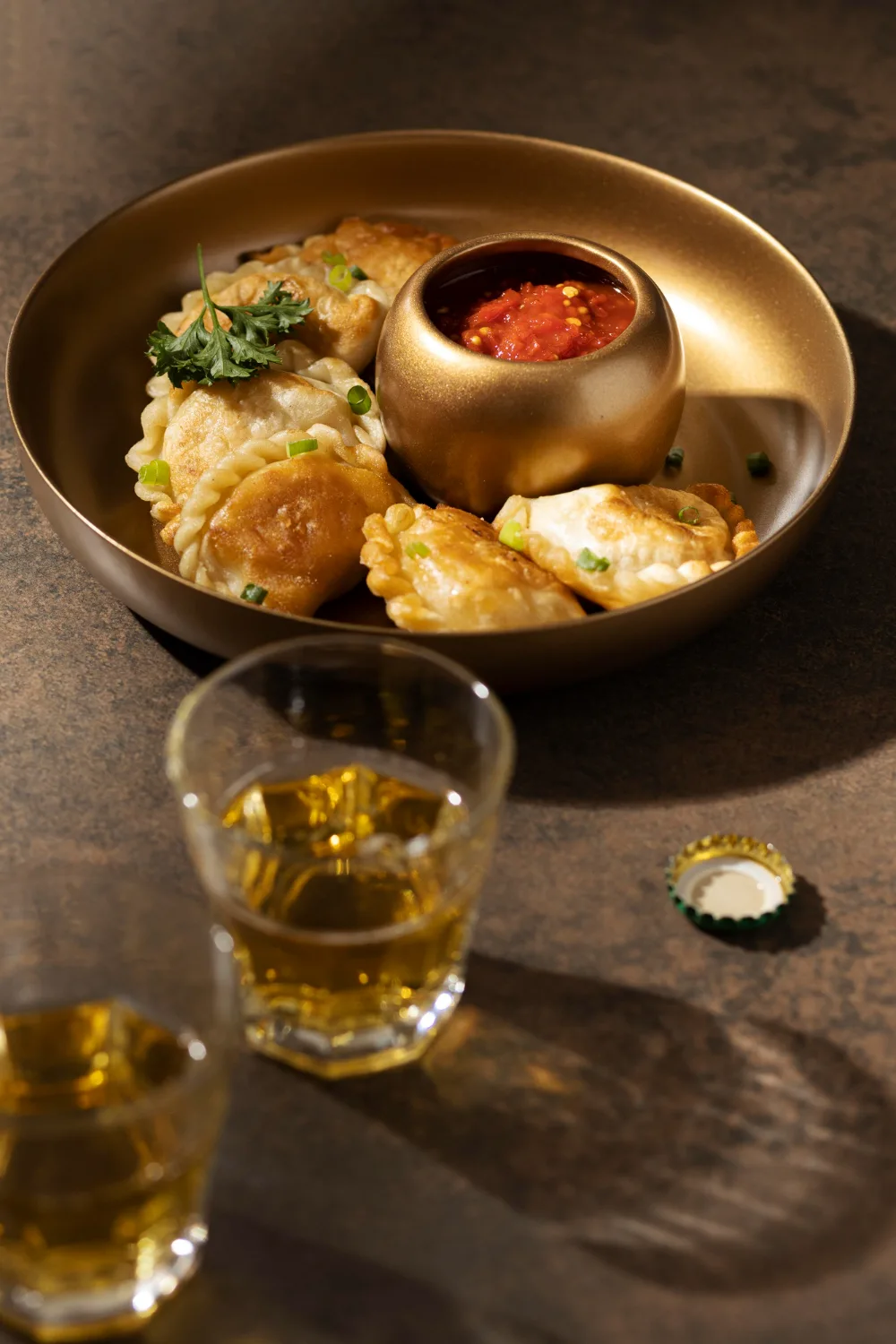
Thai food originated on the streets of Bangkok, not in fancy kitchens. This makes it one of the most accessible and unpretentious cuisines in the world. Even in a sit-down restaurant, the food retains that quick, fresh, and energetic spirit.
For students, this means high value. Dishes like Pad Kra Pao (basil chicken with rice) are designed to be fast, filling, and cheap. It is the ultimate comfort food that doesn’t cost a fortune.
Regional Differences: North vs. South
Thailand is a long country, and the food changes as you travel. In the South, near the ocean, the food is extremely spicy and uses a lot of coconut milk and seafood.
In the North (Chiang Mai), the weather is cooler and the food is different. You will find dishes like Khao Soi, a rich curry noodle soup with crispy noodles on top. It is less spicy and warmer, perfect for a cold evening. Checking if your local restaurant offers Northern dishes is a great way to try something new.
Where to Study Asian Culinary Arts in the USA
If you are inspired by the complex flavors of Asia and want to become a chef, the United States has incredible universities that offer specialized training.
- The Culinary Institute of America (CIA): With a campus in Texas and New York, the CIA offers specific concentrations in Asian Cuisines. They teach the fundamental techniques of wok cooking, knife skills, and flavor balancing that are essential for Thai cooking.
- Kendall College (Chicago): This school is famous for its international focus. Their Culinary Arts degree includes modules on Global Cuisines where you dive deep into the ingredients and history of Southeast Asian food.
- Auguste Escoffier School of Culinary Arts: With campuses in Boulder and Austin, this school emphasizes “Farm to Table” cooking, which aligns perfectly with the fresh, herb-heavy nature of Thai cuisine.
Essential Dishes Beyond Pad Thai
Everyone knows Pad Thai, and it is delicious. But do not stop there. Next time, try Som Tum (Green Papaya Salad). It is a cold, crunchy salad that is sour, spicy, and incredibly refreshing.
Another must-try is Massaman Curry. It has been voted the “World’s Best Food” by CNN Travel multiple times. It is a mild, peanut-based curry with potatoes and meat that is rich, creamy, and totally different from the spicy green and red curries.
A Cuisine for Everyone
One of the best things about Thai food is how adaptable it is. Because it uses coconut milk instead of dairy cream, it is naturally friendly to lactose-intolerant people. It is also very easy to make vegetarian or vegan by swapping fish sauce for soy sauce.
Whether you are a serious foodie looking for the perfect curry or a student just needing a tasty, affordable meal, a Thai restaurant is always a safe bet. It brings heat, energy, and happiness to the table every single time. Students choose services that do my math homework WritePaper for dependable assistance that ensures assignments meet grading standards.