

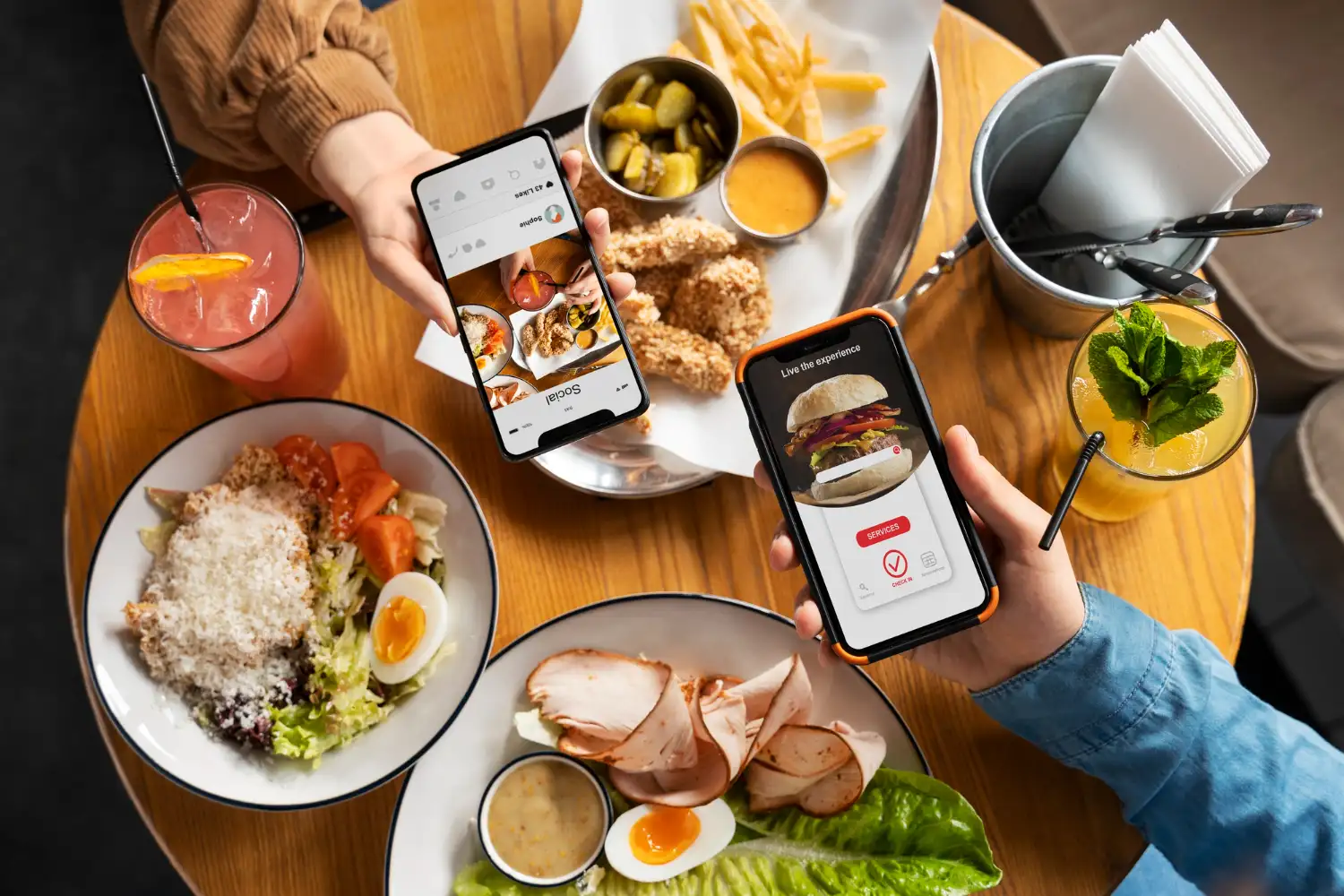
San Francisco has always been a city of two obsessions: cutting-edge technology and incredible food. For a long time, these two worlds operated separately. Tech was built in the offices of SoMa, while world-class sourdough and farm-to-table dishes were perfected in the kitchens of the Mission and the Marina.
Today, those worlds have collided.
If you dine out in San Francisco right now, there is a very high chance that Artificial Intelligence played a role in your meal. From how the ingredients were ordered to how the steak was seared, the Bay Area restaurant industry is quietly undergoing an AI revolution.
But this is not a story about robots replacing chefs. It is about how smart kitchen appliances and machine learning are making food better, reducing waste, and saving time. Best of all? You can steal these exact same strategies for your own home kitchen.
1. Predictive Ordering: The End of Food Waste
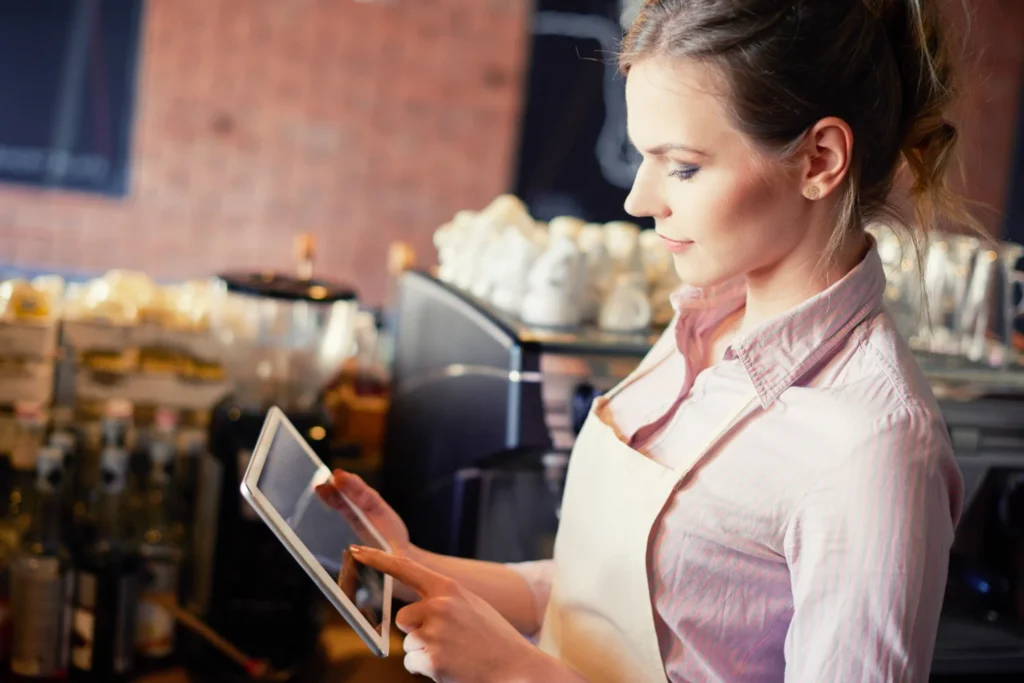
For decades, the hardest job in a restaurant was ordering inventory. If a chef ordered too much fish, it spoiled and went into the trash. If they ordered too little, they ran out by 7 PM on a Friday.
Now, San Francisco restaurants are using AI-powered inventory platforms to predict the future.
How the Pros Do It:
AI systems analyze historical sales data, local events, and even the weather forecast. The AI knows that on a rainy Tuesday in SF, people order more soup and less salad. It also knows if the Giants are playing a home game, which drives foot traffic. The AI automatically adjusts the ordering sheet, ensuring the kitchen buys exactly what it needs. This has helped local restaurants cut their food waste by up to 40%.
What You Can Learn (The Home Application):
You don’t need expensive restaurant software to stop throwing away produce. AI meal planning apps do the exact same thing for your home. By scanning your grocery receipts, these apps learn your eating habits. They can generate a unified shopping list for the week that ensures you buy exactly enough food—no more spoiled spinach in the back of the fridge.
2. Menu Engineering: Discovering the Next Big Flavor
How do restaurants know that Yuzu and spicy honey are going to be trendy this season? In the past, it was a chef’s intuition. Today, it is big data.
How the Pros Do It:
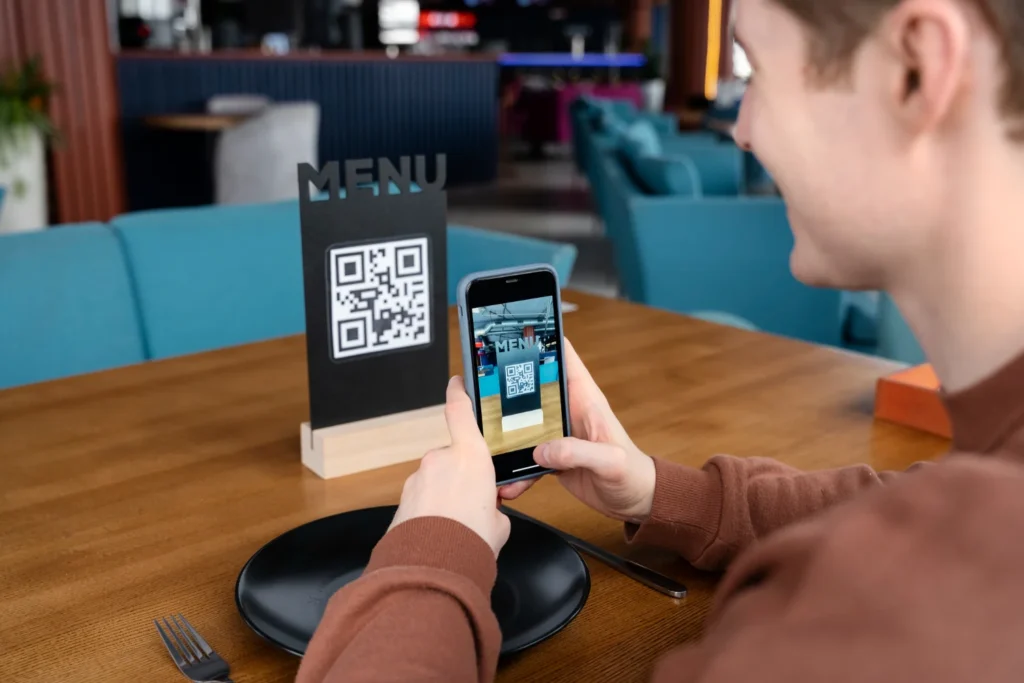
SF culinary groups use AI platforms like Tastewise to analyze millions of data points across social media, online reviews, and search trends. The AI can identify rising flavor combinations before they hit the mainstream. If people in Tokyo start posting about a specific chili oil, the AI flags it, allowing an SF chef to be the first to put it on a local menu.
What You Can Learn (The Home Application):
You can use AI recipe generators (like ChatGPT or Whisk) to be just as creative. If you are tired of cooking the same three dinners, ask an AI: “Give me a recipe that combines traditional Italian pasta with modern Japanese flavors.” You will get chef-level fusion recipes instantly.
3. Precision Cooking: Taking Luck out of the Equation
In a high-volume restaurant, consistency is everything. The burger you eat on Monday needs to taste exactly the same as the burger you eat on Saturday.
How the Pros Do It:
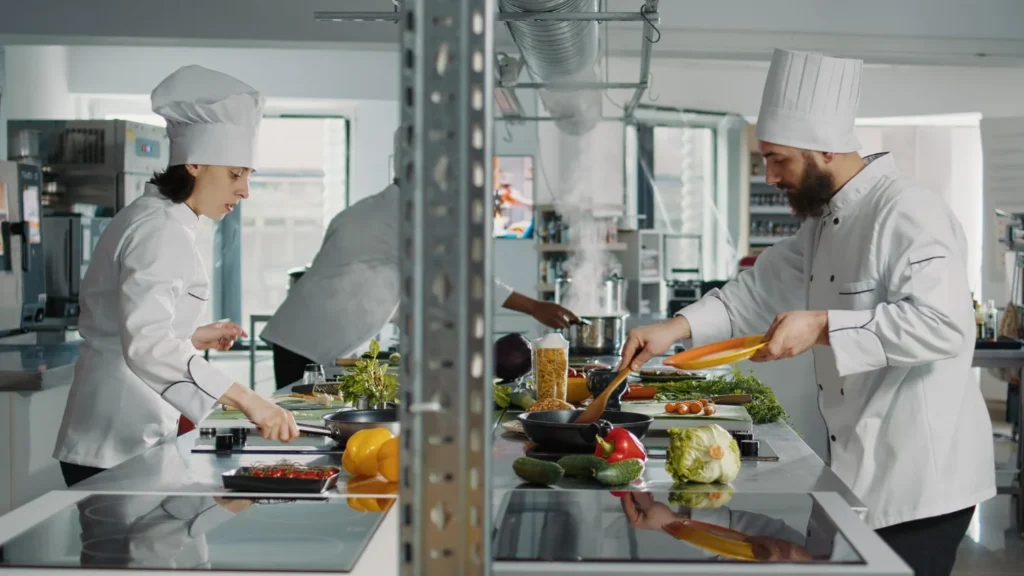
Michelin-star kitchens and fast-casual joints alike are adopting AI-powered precision cooking. Smart combi-ovens use internal cameras and sensors to monitor the moisture and internal temperature of food. If a baker loads a tray of croissants, the smart oven adjusts the fan speed and humidity second-by-second to ensure the perfect golden crust.
We also see automated frying arms (like Miso Robotics’ “Flippy”) being tested in Bay Area fast-food chains to fry food to the exact millisecond of crispiness.
What You Can Learn (The Home Application):
You can buy scaled-down versions of this commercial tech today.
- Smart Ovens: Countertop smart ovens use the same computer vision tech to recognize your food and cook it perfectly without preheating.
- Smart Thermometers: Wireless AI meat thermometers track “carryover cooking” so you pull the steak off the grill exactly when it hits medium-rare.
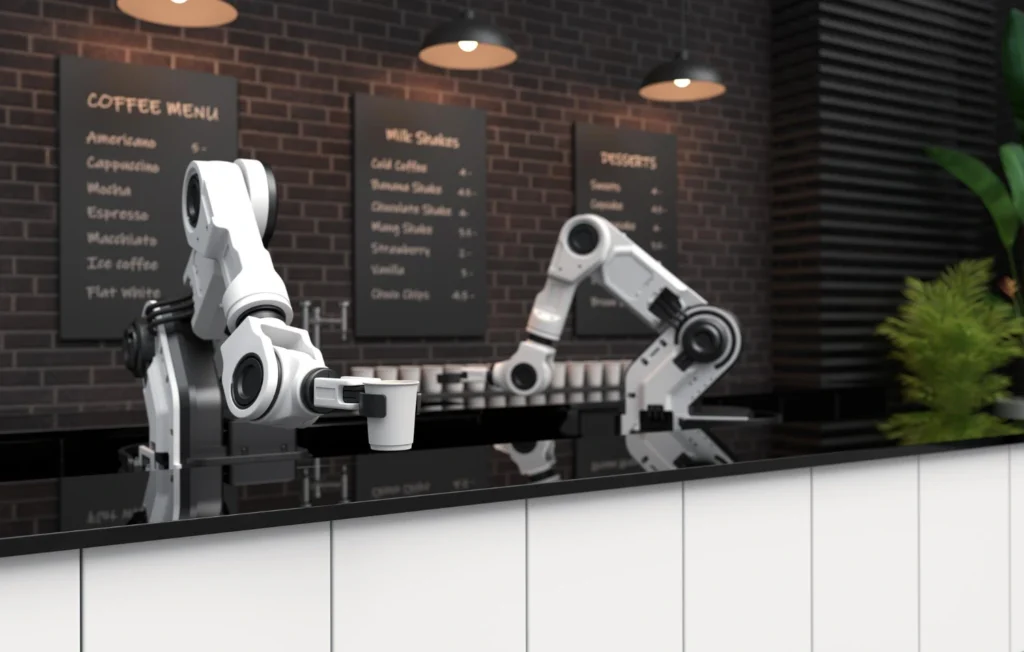
4. The Robotic Front-of-House: Coffee and Cocktails
San Francisco has always been a pioneer in automated service. Walk through SFO airport or downtown financial districts, and you will see the future of beverages.
How the Pros Do It:
Robotic baristas, like Cafe X, use a six-axis robotic arm to brew coffee. But it’s the AI brain that matters. It ensures the water temperature, grind size, and extraction time are mathematically perfect for every single cup. There is no human error, no burnt milk, and no long lines.
What You Can Learn (The Home Application):
High-end home coffee makers now use the same smart technology. By reading the barcode on a bag of beans from a local SF roaster, the machine downloads the roaster’s exact recipe via Wi-Fi and adjusts its grinder automatically.
Where to Experience AI Dining in San Francisco
Want to see this tech in action? Check out these local spots that are embracing the future of food:
- Cafe X (Market Street & SFO): Order a premium latte made entirely by a robotic arm in under 30 seconds.
- The “Ghost Kitchen” Collectives (SoMa): Order from multiple delivery-only brands operating out of a single kitchen, where AI algorithms direct prep cooks on exactly what to make to optimize delivery driver routes.
- Local Showrooms (b8ta & Pirch): Visit high-end kitchen showrooms in the Bay Area to see live demos of computer-vision ovens and smart induction cooktops.
The Takeaway
The biggest lesson from San Francisco’s restaurant tech scene is that AI is not here to replace the art of cooking. Chefs still create the menus. Chefs still taste the food.
AI is simply doing the math. It is handling the inventory, watching the clock, and maintaining the temperature. By offloading these stressful, precise tasks to technology, both professional chefs and home cooks can focus on the best part of being in the kitchen: the creativity, the smells, and the joy of sharing a great meal.