


Walking into a kitchen in 2026 feels a lot different than it did just five years ago. Here in San Francisco, where tech meets culinary obsession, the food scene is no longer just about what you cook, but how the technology around you helps you cook it.
We are not just talking about fridges that can order milk anymore. We are looking at a full-scale culinary revolution. Today, AI kitchen gadgets and software are stepping in as your personal sous-chef, nutritionist, and grocery shopper.
Whether you are a busy student looking to save time, a foodie chasing the perfect sear, or just someone trying to waste less food, this guide will show you exactly how Artificial Intelligence is reshaping the modern kitchen.
Moving from “Smart” to “Intelligent”
Before diving into the gadgets, it is important to understand the shift happening right now. For the last decade, we had “smart” appliances. A smart coffee maker could be turned on with an app. That is convenient, but it is not intelligent.
AI smart kitchen appliances are different because they learn. They use machine learning and computer vision to understand what is happening in your kitchen. They recognize the ingredients you have, monitor the doneness of your steak in real-time, and suggest recipes based on your specific dietary goals.
“Smart technology follows your commands. AI technology anticipates your needs.”

Hardware: The Brains Behind the Burners
The most exciting developments are happening in the hardware space. Companies are integrating sensors and cameras into appliances we use every day.
1. The Computer-Vision Smart Oven
The standard oven is officially outdated. The new wave of smart ovens uses internal cameras and AI vision to identify what you just put inside. Put in a tray of salmon, and the oven knows it is salmon. It calculates the weight, asks how you like it cooked, and adjusts the temperature automatically as it bakes to ensure it does not dry out.
For beginners, this eliminates the fear of undercooking meat. For pros, it offers precision that a traditional gas oven simply cannot match.
2. AI-Powered Induction Burners
Precision cooking is the holy grail of high-end restaurants. Now, it is coming to your countertop. New induction burners communicate with Bluetooth-enabled cookware. The AI monitors the temperature of the pan up to the exact degree. If you are frying an egg, the AI ensures the pan never gets hot enough to burn the butter.
3. The Generative Smart Fridge
While early smart fridges just had a tablet on the door, the 2026 generation scans your groceries as you put them in. It tracks expiration dates and, crucially, communicates with your phone to tell you what to make before your produce goes bad.
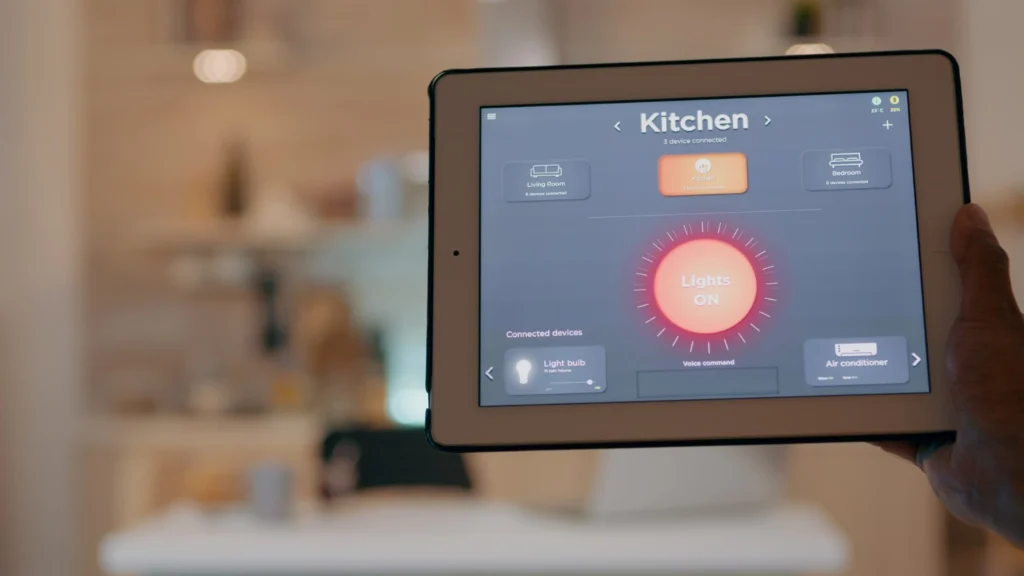
Software: How We Plan and Prep
You do not need to spend thousands of dollars on new hardware to bring AI into your kitchen. The most impactful changes are happening inside your phone.
The Rise of the AI Recipe Generator
Have you ever looked at a half-empty fridge with a random mix of ingredients and ordered takeout because you didn’t know what to cook? An AI recipe generator solves this instantly.
Apps powered by advanced language models allow you to take a photo of your fridge shelves. Within seconds, the AI identifies the ingredients and generates a custom recipe.
- Pantry-Based Cooking: It uses exactly what you have, saving you a trip to the store.
- Customization: You can tell the AI, “Make this high-protein and under 500 calories,” and it will adjust the ingredient ratios instantly.
- Skill Adaptation: It writes the instructions based on your cooking level, avoiding complex chef jargon for beginners.
Stress-Free AI Meal Planning
Meal planning used to take hours of spreadsheet work on a Sunday. Now, AI meal planning tools do the heavy lifting. You input your goals (e.g., “vegan, budget of $60 per week, 30-minute prep time”), and the AI builds your weekly menu, creates a unified grocery list, and optimizes it to ensure you use up all the fresh produce by Friday.
Investment Breakdown: What Does the Future Cost?
Upgrading your kitchen is an investment. Here is a breakdown of what these technologies cost in 2026, and how quickly they pay for themselves in time and saved food.
| Tech Category | Average Cost | Best For… | Estimated ROI Timeline |
| AI Meal Planning App | $5 – $10 / month | Students & busy professionals | 1 month (via reduced takeout) |
| AI Kitchen Thermometer | $80 – $150 | BBQ lovers & meat eaters | Instant (no more ruined steaks) |
| Countertop Smart Oven | $500 – $1,500 | Small apartments, SF techies | 6 – 8 months |
| Full AI Refrigerator | $2,500 – $4,000 | Families, serious tech adopters | 2 – 3 years |

The Ultimate Goal: Reducing Food Waste
In San Francisco, sustainability is just as important as innovation. One of the most beautiful things about AI in the kitchen is its environmental impact. The average American family throws away roughly 30% of the food they buy.
By using AI to track expiration dates, generate recipes for leftovers, and plan grocery lists with zero-waste algorithms, we can cut household food waste in half. It is a rare win-win: technology that saves you money while actively helping the planet.
Where Should You Start?
You do not need to replace your entire kitchen today. The best way to enter the world of food tech is to start small:
- Download a free AI recipe app today. Next time you have random leftovers, use it instead of ordering food.
- Invest in a smart thermometer. It is relatively cheap and instantly changes how you cook meat.
- Visit a local SF showroom. Places in the Bay Area (like b8ta or standard tech stores) often have smart ovens on display. Go see the computer vision in action.
The AI kitchen is not about replacing the joy of cooking. It is about removing the boring parts the planning, the guessing, the worrying about burning food so you can focus on the fun part: making and eating delicious food.
Other blogs
Fridge Freezing Food? Here’s Why and How to Fix It
A fridge freezing food is almost always fixable — and rarely means a major repair. This guide covers every common…
Read More →Slow Cooker to Dutch Oven Conversion: The Full Guide
Converting a slow cooker recipe to a Dutch oven comes down to three adjustments: cut the cook time to about…
Read More →Air Fryer vs Convection Oven: Are They the Same Thing?
Here’s the question that quietly drives a lot of kitchen appliance confusion: is an air fryer just a convection oven?…
Read More →Induction vs Gas: The Truth Most Guides Won’t Tell You
The induction vs gas debate has become strangely tribal. Gas devotees talk about flame control and the feel of real…
Read More →