
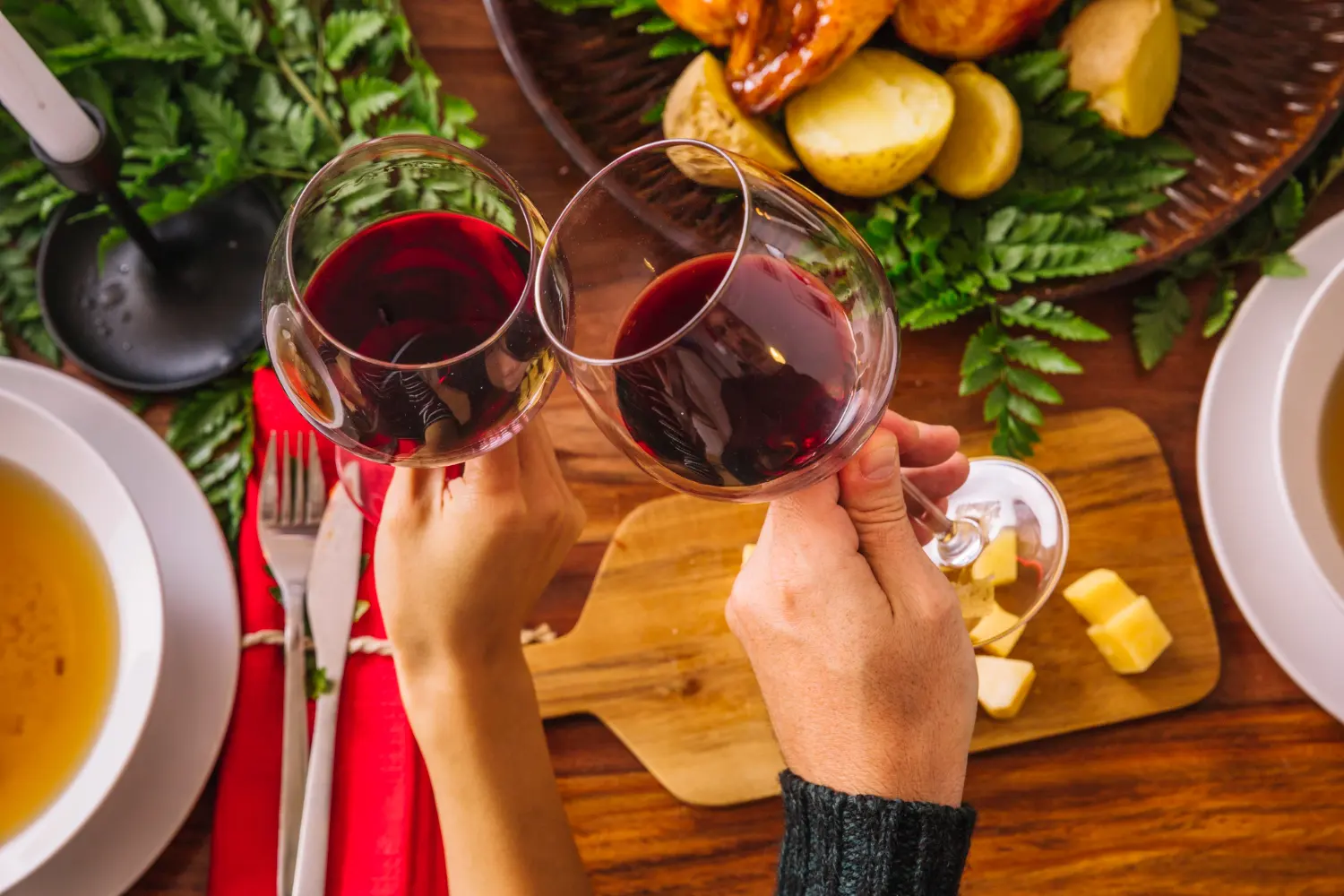
Living in San Francisco comes with a unique set of culinary expectations. We are a stone’s throw from Napa Valley and Sonoma, which means the local standard for wine is incredibly high. If you walk into any high-end restaurant in the Bay Area, you are likely to be handed a wine list the size of a phone book, followed by the arrival of a Sommelier a highly trained expert whose job is to guide you to the perfect bottle.
For wine lovers, the Sommelier is a guide. For many others, they are a source of intense anxiety. Am I pronouncing this right? Will they judge my budget? Do I really taste “notes of wet gravel and blackberry?”
Today, Artificial Intelligence is stepping into the dining room to change this dynamic.
By analyzing the chemical breakdown of grapes, mapping millions of flavor profiles, and syncing with AI meal planning data, technology is attempting to do what was once thought impossible: digitize the human palate. But can an algorithm really understand the romance of wine better than a human expert? Here is a deep dive into the world of AI wine pairing.
1. How AI “Tastes” Wine (The Chemical Revolution)
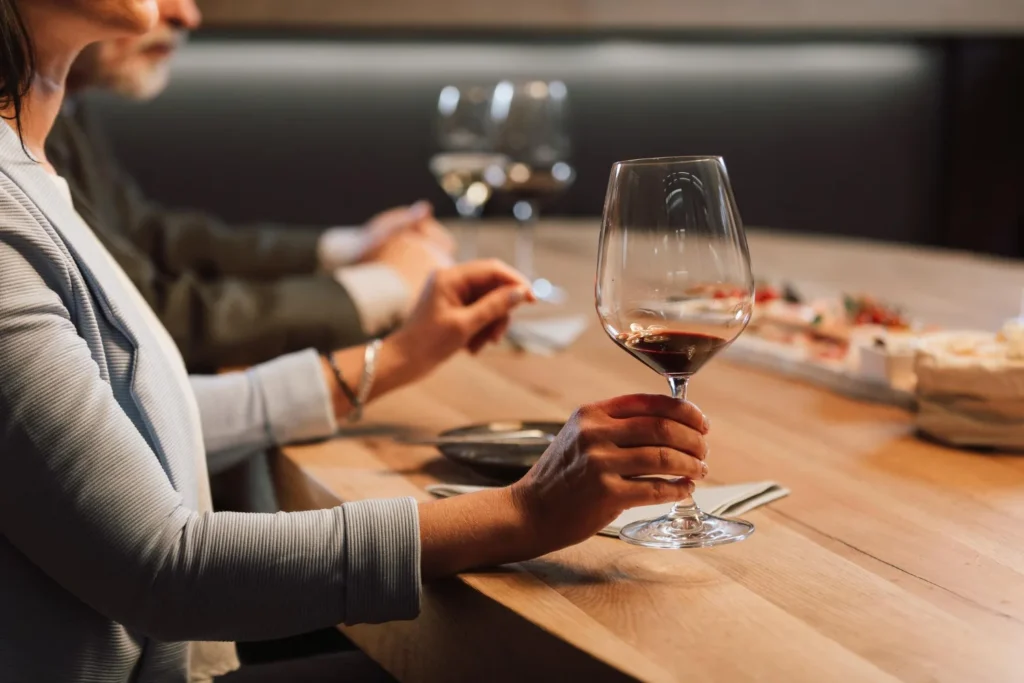
To understand how an AI pairs wine, you have to understand that AI does not care about fancy labels or century-old traditions. It cares about data. Specifically, it cares about chemistry.
Traditional sommeliers rely on their senses, memory, and personal preferences. AI relies on spectrometry and machine learning.
The Tastry Breakthrough
A California-based sensory science company called Tastry is leading the charge in this field. Instead of having humans taste the wine, they run wine samples through a laboratory to analyze their chemical composition. They measure the exact levels of tannins, acidity, sugar, and thousands of volatile organic compounds (the things that create aroma).
The AI then maps this chemical data against consumer taste data.
- The Result: The AI doesn’t just know that a wine is “fruity.” It knows the exact mathematical probability that a 35-year-old woman in San Francisco who likes dark chocolate will enjoy a specific bottle of Merlot.
2. Why Algorithms Beat Human Memory
A Master Sommelier takes years to study thousands of wines. It is an incredible feat of human memory. However, the global wine market produces over 30 billion bottles of wine every year. No human can know them all.
This is where AI has an unbeatable advantage: Total Recall.
When you use an AI recipe generator to plan dinner, the AI doesn’t just look for a wine. It scans a database of millions of bottles available at your local SF wine shop. It analyzes the specific ingredients in your generated recipe.
- If the recipe calls for a squeeze of lemon juice at the end, the AI knows that added acidity requires a wine with equal or higher acidity to prevent the wine from tasting flat.
- It instantly filters millions of options and suggests the perfect $20 Sauvignon Blanc from New Zealand.
An AI cannot forget a vintage. It never has a bad day, and it never gets tired.
3. Democratizing the Wine List (Top AI Apps)
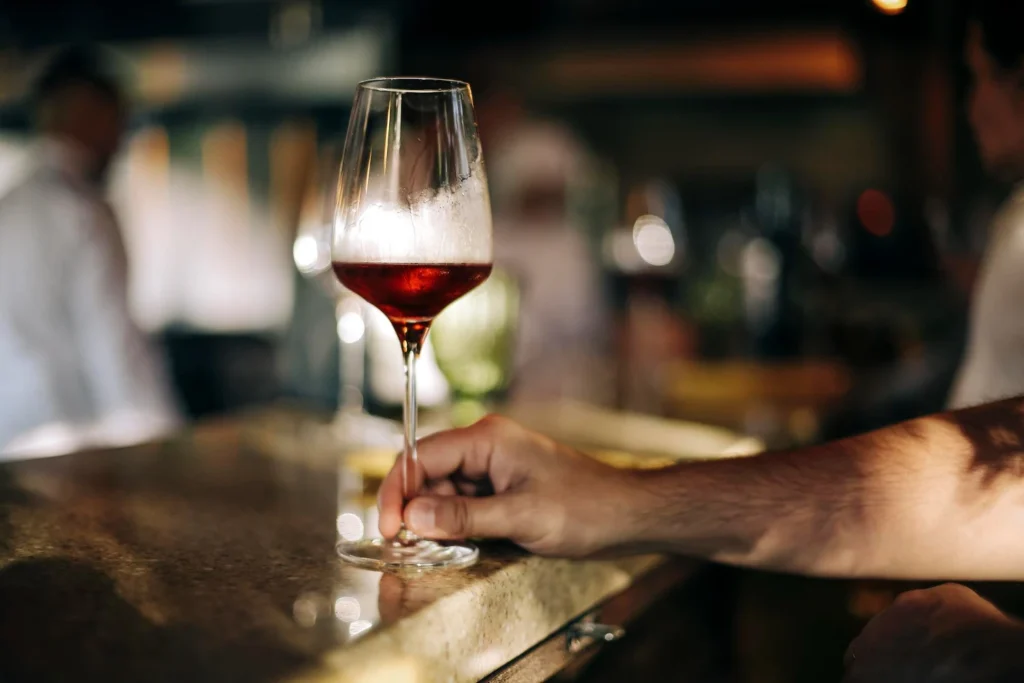
You don’t need to visit a Michelin-starred restaurant to get expert wine advice anymore. You just need your smartphone. Here are the top AI tools changing how consumers buy wine:
Vivino
The absolute giant of the space. Vivino uses computer vision. You take a photo of a wine label in the grocery store, and the AI instantly recognizes the bottle, pulls up crowdsourced ratings, and analyzes your past drinking history to give you a percentage match (e.g., “There is a 92% chance you will like this wine”).
Sippd
Sippd is the ultimate dining-out tool. When you sit down at a restaurant, you open the app and scan the restaurant’s physical wine list. The AI digitizes the menu, cross-references it with your personal taste profile, and ranks every single bottle on the menu from 1 to 100 based on how much you will like it.
Hello Vino
This app is designed specifically for food pairing. If you tell the app you are cooking a spicy Thai green curry, it bypasses the traditional “white wine with chicken” rules and suggests an off-dry Riesling to combat the chili heat.
4. The Smart Kitchen Integration
The future of wine tech isn’t just an app on your phone; it is the seamless integration of wine pairing into your smart kitchen appliances.
Imagine a Saturday night in the near future. You put a ribeye steak into your smart oven. The oven’s computer vision recognizes the beef and sets the perfect cooking temperature.
Simultaneously, the oven communicates with your smart refrigerator or wine cooler. The ecosystem knows you are cooking beef. It scans the inventory of what you currently own, selects a 2018 Cabernet Sauvignon from your wine fridge, and alerts you to open the bottle now so it can decant for 30 minutes before the steak finishes cooking.
This creates a holistic culinary experience where AI kitchen gadgets work together to elevate a simple meal into fine dining.
5. Where the Human Sommelier Still Wins
If AI is mathematically superior, is the human sommelier dead? Not at all. There are two crucial areas where technology still fails.
The Element of Surprise
Algorithms are designed to give you what you want based on your past behavior. If you always rate Malbecs highly, the AI will keep suggesting Malbecs. A great human sommelier, however, can read your mood and challenge your palate. They might say, “I know you love Malbec, but you have to try this obscure red from Sicily; I think it will blow your mind.” AI lacks this intuition for pleasant surprises.
The Storytelling (Romance)
Wine is not just grape juice; it is geography and history. A human sommelier can tell you the story of the blind French monk who invented Champagne, or the specific family in Italy that harvested the grapes on a volcanic slope.
“AI can tell you the chemical compound of a wine. A human can tell you the soul of the wine. And when we drink, we are usually drinking the story.”
6. The Verdict: Better Together
So, is an AI wine pairing better than a sommelier?
In terms of pure accuracy, accessibility, and speed—Yes. AI eliminates the intimidation factor of wine. It ensures that a college student buying a $15 bottle of wine at Trader Joe’s can have just as good a food pairing as a CEO at a downtown steakhouse.
But fine dining is about hospitality. No one wants to be served by a spreadsheet.
The future in San Francisco restaurants isn’t AI versus the Sommelier. It is the Augmented Sommelier. The best wine directors in the Bay Area are already using AI inventory software to manage their cellars and discover new vineyards, allowing them to spend less time on paperwork and more time at the table telling the stories that make wine so magical.
Other blogs
Fridge Freezing Food? Here’s Why and How to Fix It
A fridge freezing food is almost always fixable — and rarely means a major repair. This guide covers every common…
Read More →Slow Cooker to Dutch Oven Conversion: The Full Guide
Converting a slow cooker recipe to a Dutch oven comes down to three adjustments: cut the cook time to about…
Read More →Air Fryer vs Convection Oven: Are They the Same Thing?
Here’s the question that quietly drives a lot of kitchen appliance confusion: is an air fryer just a convection oven?…
Read More →Induction vs Gas: The Truth Most Guides Won’t Tell You
The induction vs gas debate has become strangely tribal. Gas devotees talk about flame control and the feel of real…
Read More →