

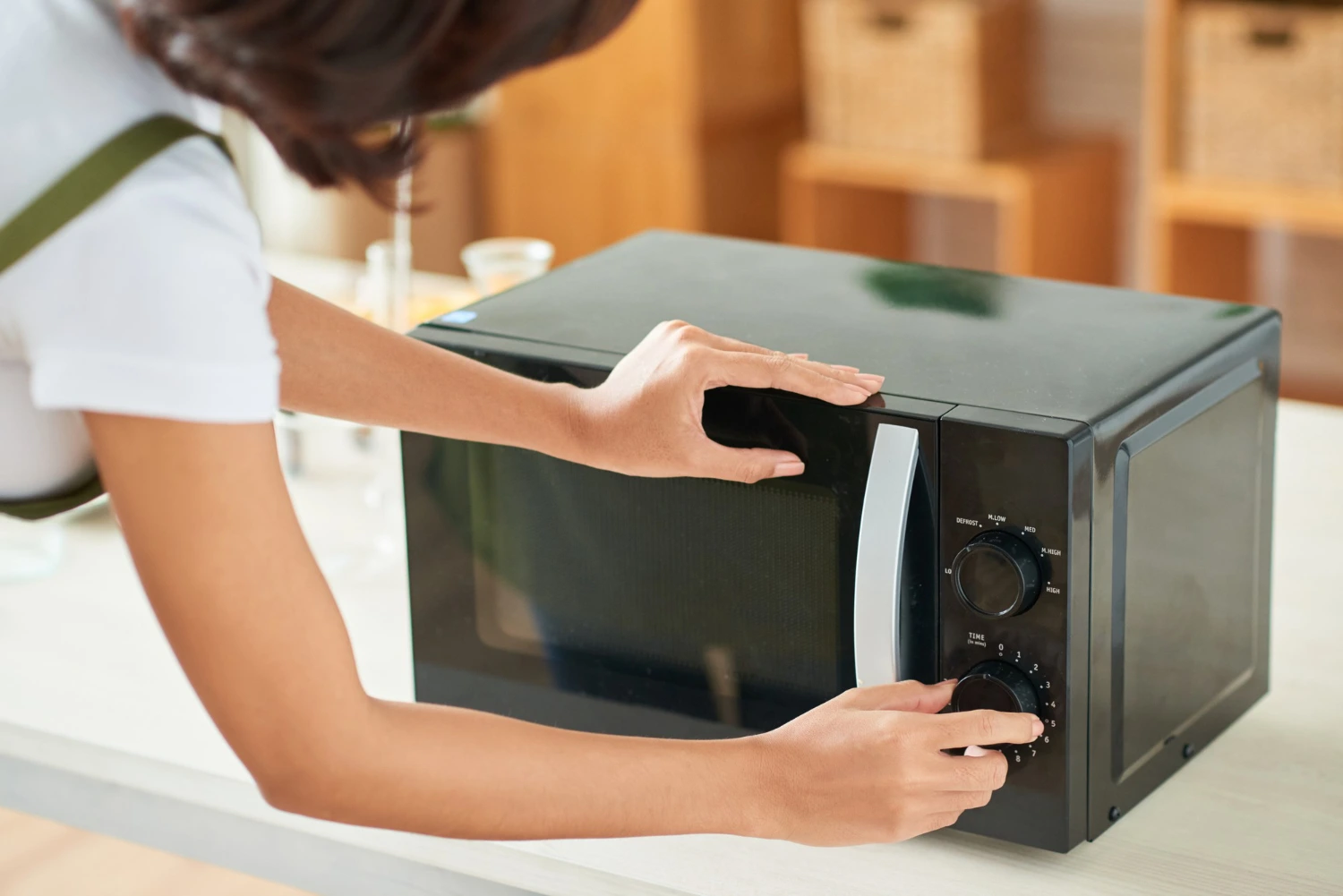
You come home from a long day at work and need hot food immediately. You grab a container of leftovers from the refrigerator and place it inside a metal box. You press a single button and walk away.
Two minutes later, you pull out a perfectly heated meal. The standard microwave performs this exact magic trick in millions of homes every single day. We completely take this incredible thermal technology for granted.
We test heating appliances constantly in our San Francisco lab. We watch how companies transform basic radiation boxes into highly advanced culinary computers. The modern heating box does much more than just pop popcorn and melt butter.
Finding the best microwave requires understanding how smart technology actually improves your daily food preparation. You must look past the spinning glass plate and evaluate internal moisture sensors, inverter coils, and wireless connectivity.
The Evolution Of The Basic Microwave
Engineers invented this technology by accident decades ago while testing radar equipment. Early models cost thousands of dollars and occupied entire kitchen counters. They possessed primitive mechanical dials and dumped massive amounts of unrefined energy into your food.
Today, the best microwave oven features extreme digital precision. Internal computers monitor the exact physical state of your food during the heating cycle. The machine adjusts the power output automatically to prevent rubbery meat and boiling soup explosions.
We discuss this shift toward autonomous hardware in our guide to AI in your kitchen which covers sensor technology deeply. The appliance essentially watches the food cook and makes real-time thermal decisions for you.
You no longer have to guess how many minutes a frozen burrito requires. You tell the machine what you put inside, and it handles the complex thermal math.
Understanding Inverter Technology
Traditional heating boxes use basic transformers that only know two modes: fully on or fully off. When you set a traditional machine to fifty percent power, it actually blasts the food with one hundred percent power for half the time. It then produces zero power for the remaining time.
This pulsing heat creates terrible results. It burns the outside edges of your chicken while leaving the center completely frozen. You chew through a terrible gradient of temperature extremes.
Modern premium units feature true inverter technology. An inverter supplies a constant, steady stream of power at the exact percentage you request. If you ask for fifty percent power, the machine actually delivers a smooth, continuous fifty percent energy stream.
This steady heat penetrates the food evenly and cooks it perfectly from edge to center. You achieve actual simmering and gentle defrosting without destroying the cellular structure of your ingredients.
Maximizing Space With A Small Microwave
San Francisco apartments often feature incredibly tight galley layouts. You fight for every single inch of horizontal prep space. A massive heating box completely ruins your ability to chop vegetables or mix dough.
A small microwave solves this spatial conflict immediately. Manufacturers pack high-efficiency magnetrons into incredibly tight chassis designs. You get the heating power of a large machine inside a box that fits perfectly into a tight corner.
You must measure your exact counter depth before you buy any new hardware. Leave at least three inches of empty space behind the machine for proper air ventilation. The internal fan needs room to push the hot exhaust air away from the internal electronics.
We always recommend placing these smaller units on a dedicated corner shelf rather than the main counter. This organizational strategy keeps your primary cutting board area completely clear.
The Extreme Portability Of A Mini Microwave
Some situations require even more extreme spatial compression. You might want to equip a tiny home, a camper van, or a college dorm room with basic heating capabilities. A mini microwave provides the absolute minimum physical footprint possible.
These tiny units usually feature lower wattage ratings, often hovering around seven hundred watts. You must accept that heating a bowl of soup will take three minutes instead of two minutes. You trade raw thermal speed for extreme physical portability.
The internal cavity size dictates what kind of plates you can actually use. You must ensure your favorite dinner plates physically fit through the door opening. Bring your measuring tape to the store and check the internal diameter of the spinning glass turntable.
These units work perfectly for basic reheating tasks and quick morning oatmeal. They fail completely if you try to cook large family casseroles or massive whole chickens.
Freeing The Counter With The Best Over The Range Microwave
You eliminate the counter space problem entirely by moving the appliance up to eye level. The best over the range microwave mounts directly above your primary stove. It replaces your standard metal ventilation hood completely.
This installation strategy creates a sleek, integrated look in your modern cooking space. You stand directly in front of the stove and manage all your heating tasks in one vertical zone. You move a hot bowl from the upper box directly down to the counter effortlessly.
Installing these heavy units requires professional assistance and proper wall blocking. You must anchor the heavy steel mounting plate directly into your wooden wall studs. The machine will tear through standard drywall and crash onto your glass stove if you mount it incorrectly.
You also need a dedicated electrical outlet installed inside the cabinet directly above the machine. You hide the thick black power cord completely out of sight.
Evaluating The Best Over Range Microwave For Ventilation
When you combine a cooking box and an exhaust hood, you demand high performance from both functions. The best over range microwave features a massive internal fan that sucks up smoke and steam from your bottom stove.
You measure this suction power using the Cubic Feet per Minute rating. A weak fan simply pushes the cooking smoke around your kitchen and sets off your fire alarms. You need a machine that pulls at least four hundred CFM to handle heavy pan-searing.
The machine pulls the greasy smoke through metal mesh filters hidden underneath the unit. You must remove these metal filters every month and wash them in your sink with hot soapy water. Clogged filters destroy the suction power completely and strain the exhaust motor.
Premium models connect directly to your home ductwork and push the smoke outside the house entirely. Cheaper models simply recirculate the filtered air back into your face. Always choose external venting if your home architecture allows it.
The Financial Logic Of A Cheap Microwave
You do not always need a smart computer to heat a cup of coffee. Sometimes you just want a reliable box that turns on when you push a button. A cheap microwave provides basic thermal utility without demanding a massive financial investment.
These budget models utilize older, proven analog technology. They skip the expensive moisture sensors and wireless internet chips. They rely on basic mechanical timers and standard power transformers.
You trade advanced culinary features for absolute financial accessibility. These units make perfect sense for a basement wet bar or a secondary garage setup. You buy them, use them heavily, and replace them cheaply when they eventually fail.
However, you must inspect the door latches carefully on budget models. Cheap plastic hooks break easily after a year of heavy slamming. The machine refuses to turn on if the safety latch fails to engage properly.
Seeking An Energy Efficient Microwave
Electricity costs continue to rise every single year. You must evaluate the power draw of every device you plug into your wall. An energy efficient microwave reduces your monthly utility bills and lowers your carbon footprint.
Modern units utilize LED internal lighting instead of hot incandescent bulbs. They also feature advanced standby modes that turn off the digital clock display when you leave the room. These small changes eliminate vampire power draw entirely.
The inverter technology we discussed earlier also saves massive amounts of electricity. The machine only pulls the exact wattage it needs to maintain the steady heat. It avoids the massive electrical spikes that traditional pulsing transformers create.
We analyze these power metrics deeply in our smart kitchen appliances reviews. You want machines that convert maximum electrical input into actual thermal output.
Sensor Cooking And Automation
You destroy food easily when you guess the required heating time. You blast a slice of pizza for two minutes and turn the crust into concrete. Modern hardware eliminates human error through advanced internal sensors.
The machine detects the specific humidity levels rising from your food as it heats up. It knows exactly when the water inside your chicken starts to convert into steam. The computer uses this humidity data to calculate the exact remaining cook time.
You simply press the sensor reheat button and walk away. The machine stops the thermal cycle the precise second your food reaches optimal serving temperature. It prevents overcooking and protects the delicate textures of your expensive ingredients.
We look for this specific automation when we evaluate the best AI kitchen gadgets on the market. Machines must actively assist the cook, not just follow dumb numerical timers blindly.
Barcode Scanning And Smart Connectivity
The highest tier of modern heating hardware connects directly to your wireless network. You download a companion application to your smartphone and link the devices together. This opens up incredible new methods for preparing packaged meals.
You hold a frozen dinner box up to your smartphone camera and scan the barcode. The application downloads the exact, multi-stage cooking instructions from a central database. It then beams those specific instructions directly to your kitchen hardware.
The machine knows to run at full power for three minutes, pause for thirty seconds, and then run at medium power for two minutes. It executes the manufacturer instructions perfectly without you pushing a single button.
You gain back precious mental energy when you let the algorithms handle the complex staging. The hardware treats your frozen food with absolute mathematical respect.
Integrating Microwaves With Meal Prep Software
Your primary heating hardware serves as the execution layer for your weekly dietary planning. You map out your complex meals on Sunday using digital tools. You rely on the hardware to bring those plans to life quickly during the busy work week.
You generate a specific chatgpt meal plan prompt that focuses entirely on batch cooking. The AI suggests roasting massive pans of vegetables and proteins over the weekend. You store these pre-cooked components in individual glass containers.
When Wednesday night arrives, you grab a glass container and use the smart sensor reheat function. You bypass the stove entirely and have a healthy, macro-balanced dinner ready in four minutes.
The microwave transforms meal prep from a chore into a highly efficient digital workflow. You use the fast thermal transfer to maintain your healthy eating habits when you feel too tired to cook from scratch.
Cleaning Strategies For Internal Chambers
Food splatters violently when water molecules expand rapidly inside the heating chamber. Tomato sauce explodes and paints the internal plastic walls red. You must clean this mess immediately before the heat bakes it into a permanent crust.
Fill a small glass bowl with pure water and a slice of fresh lemon. Place the bowl inside the chamber and boil the water for three minutes. Do not open the door immediately when the timer stops.
Let the hot lemon steam sit inside the closed box for another five minutes. This acidic steam loosens the baked-on food particles and neutralizes heavy cooking odors. You simply wipe the walls perfectly clean with a soft microfiber cloth.
We recommend placing an automated floor cleaner near your primary prep stations. Check our best robot vacuum reviews for machines that handle dropped crumbs. The robot sweeps the floor while you wipe down the internal cooking chamber.
Debunking Radiation And Safety Myths
Many people still harbor deep fears about the invisible energy these machines use. They worry that standing near the box causes cellular damage or poisons their food. You must separate actual science from ancient internet paranoia.
These machines use non-ionizing radio frequency energy to excite water molecules. They do not use radioactive materials and they do not make your food radioactive. The energy simply causes the water molecules inside your food to vibrate very fast, which creates physical friction and heat.
The thick metal mesh screen built into the front glass door prevents the long radio waves from escaping the box. The metal chassis blocks the energy completely. The machine cuts power instantly the millisecond you pull the door handle open.
You face far more danger from a sharp chef knife or a hot gas burner than you do from a modern digital magnetron. Trust the engineering and use the hardware with total confidence.
Testing Equipment Features In Showrooms
You should never buy a major appliance without pushing the physical buttons first. You interact with the control panel of this machine multiple times every single day. A terrible user interface will drive you crazy within a week.
Visit local San Francisco retail locations and test the display models. Open the doors and evaluate how much physical force the latch requires. Listen to the sound the door makes when it slams shut.
Some brands use terrible membrane keypads that require you to push incredibly hard to register a command. Other brands use sleek capacitive touch glass that responds instantly to a light tap. You must discover your personal tactile preference in person.
Check the internal lighting while the door remains open. You want bright white LED lights that illuminate your food clearly. Yellow, dim bulbs make it impossible to see if your soup started boiling over the edge of the bowl.
Convection Ovens And Hybrid Machines
You can buy premium models that combine standard radio frequency heating with traditional electric coils and convection fans. These hybrid machines blow hot air around the internal chamber while simultaneously vibrating the water molecules.
This combination creates incredible culinary results. The radio waves cook the center of the food rapidly, while the hot convection air crisps the outside surface. You can actually bake a small cake or brown a whole chicken inside these advanced units.
These machines serve as a perfect secondary oven during massive holiday dinners. You roast your massive turkey in the primary floor oven and bake your side dishes inside the upper hybrid unit. You double your total cooking capacity instantly.
You pay a significant premium for this dual technology. You must honestly evaluate if you will actually use the convection baking features before you spend the extra money.
The Future Of Solid State RF Cooking
The heavy internal magnetron that powers current machines represents an aging technology. Engineers currently race to commercialize solid-state radio frequency cooking. This new technology replaces the massive magnetron with small, precise digital amplifiers.
Solid-state cooking allows the computer to direct the energy exactly where it wants inside the chamber. The machine can actively heat the steak on the left side of your plate while keeping the mashed potatoes on the right side cool.
This extreme targeted heating eliminates cold spots entirely and changes how we process raw food. We expect this technology to dominate the premium residential market within the next five years.
You upgrade your current kitchen by buying a smart, sensor-driven machine today. You stop guessing the cooking time and let the advanced hardware deliver perfect thermal results. You gain back precious minutes every single evening and eat much better food.
Other blogs
Fridge Freezing Food? Here’s Why and How to Fix It
A fridge freezing food is almost always fixable — and rarely means a major repair. This guide covers every common…
Read More →Slow Cooker to Dutch Oven Conversion: The Full Guide
Converting a slow cooker recipe to a Dutch oven comes down to three adjustments: cut the cook time to about…
Read More →Air Fryer vs Convection Oven: Are They the Same Thing?
Here’s the question that quietly drives a lot of kitchen appliance confusion: is an air fryer just a convection oven?…
Read More →Induction vs Gas: The Truth Most Guides Won’t Tell You
The induction vs gas debate has become strangely tribal. Gas devotees talk about flame control and the feel of real…
Read More →