

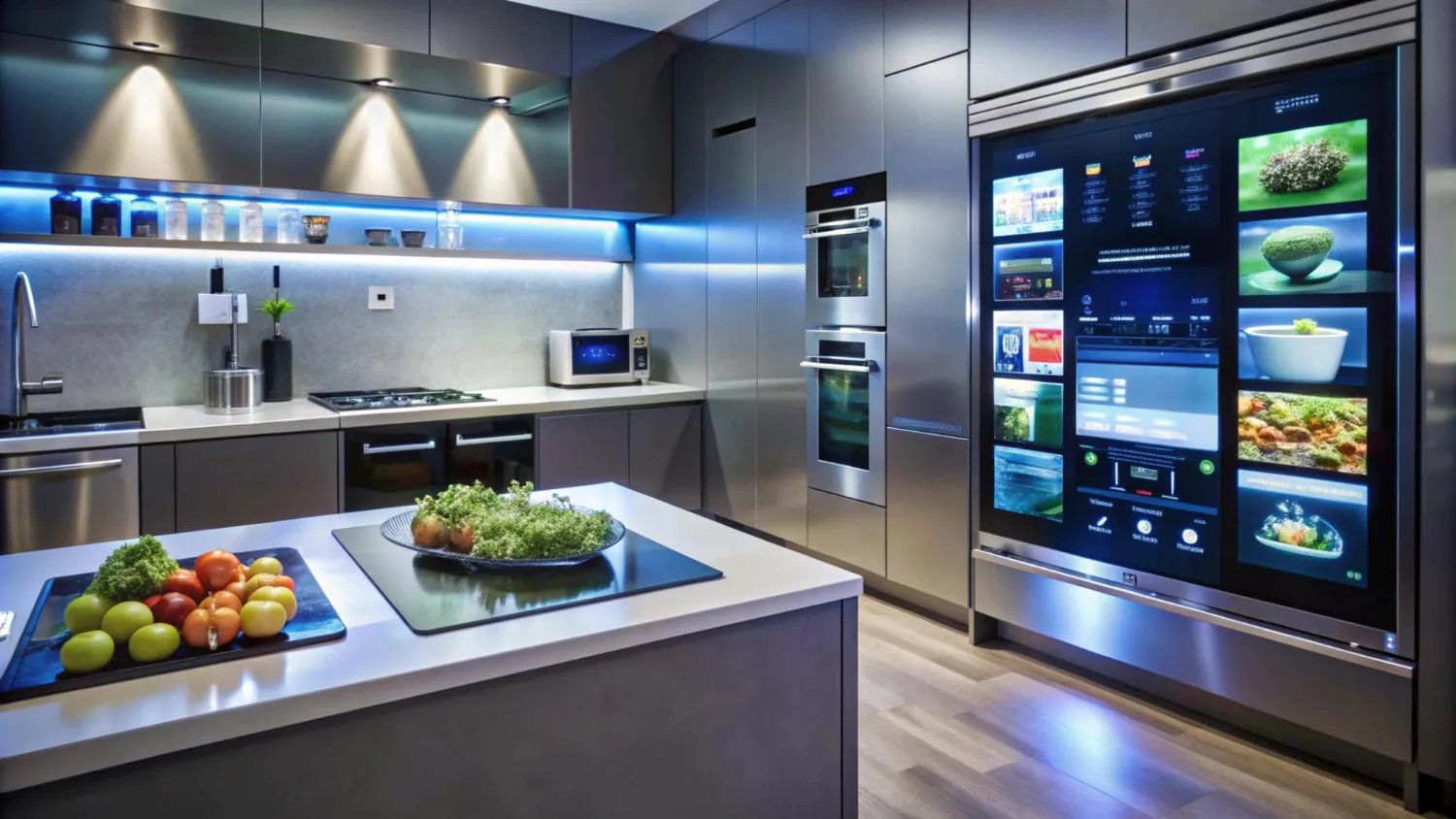
You walk into your house after a long day at the office. You drop your bags and head straight to the refrigerator. You want to cook dinner quickly and sit down to relax.
Traditional homes force you to do all the heavy lifting. You must preheat the oven manually and guess the exact cooking times. A smart kitchen eliminates this mental fatigue completely.
We test hardware constantly from our base in San Francisco. We see a massive shift toward automation in everyday home cooking. Companies now build physical devices that actively assist you during meal preparation.
Smart kitchen appliances do much more than connect to the internet. They monitor your food and adjust internal temperatures automatically. They guarantee perfect results every single time you apply heat to a pan.
Understanding Basic Kitchen Technology
People often confuse a digital touch screen with actual artificial intelligence. True kitchen technology requires internal sensors and adaptive software. The device must react to changing conditions inside the cooking chamber.
A standard toaster simply heats internal wires based on a mechanical timer. A smart toaster uses thermal sensors to monitor the bread surface constantly. It stops the heating process the exact second the toast reaches your preferred color.
This level of granular control defines modern appliance technology. Manufacturers pack advanced computer chips into everyday physical tools. You effectively buy a specialized computer that happens to cook food.
You can read about the baseline components in our guide to AI in your kitchen which explains the hardware basics. The internal processors make millions of mathematical calculations per second.
The Evolution Of Smart Kitchen Gadgets
Early connected devices offered very little practical value to the consumer. Companies forced Bluetooth chips into coffee makers just for marketing purposes. You still had to load the water and beans manually every morning.
Today, the best smart kitchen gadgets solve actual physical problems. They automate the boring parts of food preparation. They leave the fun, creative decisions entirely up to you.
We classify these tools based on their level of physical autonomy. A basic smart thermometer sends a simple alert to your phone. A fully automated robotic arm flips burgers without any human intervention.
You can see extreme examples of this hardware in our robot chefs and kitchen automation report. Commercial spaces adopt these advanced tools first. Consumer models usually follow a few years later.
Choosing The Best Smart Kitchen Appliances
You face endless options when you upgrade your home hardware. You must decide which tools actually deserve your valuable counter space. We recommend starting with high-impact devices that you plan to use daily.
The best smart kitchen appliances integrate completely into your existing routine. They do not require you to learn complicated new cooking methods. They just make your current methods faster and much more reliable.
We compiled a massive review of the best AI kitchen gadgets available this year. You should read that list carefully before you spend any money. We tested everything from automatic stirrers to intelligent blenders.
Look for physical devices that offer over-the-air software updates. A connected machine should gain new digital features over time. The manufacturer should push new cooking algorithms directly to your device via Wi-Fi.
The Core Smart Kitchen Appliance Categories
You can divide modern cooking tools into two distinct groups. Major appliances handle the heavy structural work like massive refrigeration and baking. Countertop appliances handle specific, targeted tasks like blending or toasting.
Major installations require significant financial investment and professional physical installation. You commit to these massive machines for a decade or more. You must ensure they support standard wireless communication protocols.
Smaller devices offer more physical flexibility and lower retail price points. You can swap a coffee maker easily if the technology becomes outdated. We suggest experimenting with small gadgets before you buy a massive connected refrigerator.
You discover many hidden AI features in your kitchen when you read the technical manuals. Many modern devices possess dormant capabilities that the manufacturer unlocks later through updates.
Upgrading Your Countertop Appliances
Your counters hold the most valuable real estate in your entire house. Every device sitting there must earn its keep through daily utility. Smart countertop appliances justify their physical footprint through extreme functional versatility.
The modern multi-cooker replaces five different traditional heavy pots. It functions perfectly as a pressure cooker, slow cooker, and yogurt maker. The digital brain regulates the internal pressure and heat with perfect mathematical precision.
We highly recommend reading our June Smart Oven review to understand this versatility. This single device uses internal cameras to identify your raw food visually. It then selects the perfect cooking program automatically.
You just put the metal tray inside and close the glass door. The machine recognizes a raw salmon fillet and cooks it perfectly. It removes all the stressful guesswork from roasting and baking.
Mastering Precision Cooking Technology
Chefs in fine dining restaurants rely on exact temperature control. They cannot afford to overcook an expensive cut of steak. They use water baths to maintain perfect thermal equilibrium.
This advanced cooking technology now sits comfortably in residential homes. You buy a small circulation wand and attach it to a plastic tub. The wand heats the water to an exact, specific degree.
We detail this exact process in our article about AI precision cooking and sous vide applications. The water never exceeds your target set temperature. Your steak physically cannot overcook.
The smart application guides you through the entire physical process. You tell your phone you want a medium-rare ribeye. The app sets the water temperature and starts the digital timer.
The Smart Refrigerator Hub
The refrigerator stands as the central pillar of your food storage strategy. It runs constantly and consumes significant household electricity. Manufacturers now position this machine as the digital command center for the entire house.
Modern units feature massive touch screens built directly into the right door. You use this screen to order groceries and leave digital notes for your family. The fridge also plays streaming music and displays local weather forecasts.
We debate the actual utility of these screens in our piece on smart refrigerators where we look at daily usage data. The internal inventory cameras offer much more practical value to the user.
You view the inside of your fridge from your smartphone while standing in the grocery store. You never buy a duplicate carton of milk again. This simple visual check saves you money every single week.
A Comprehensive Household Appliances List
People often ask us exactly what they need to build a modern setup. We maintain a strict household appliances list for our commercial test kitchens. You can use this inventory to plan your own residential upgrades.
- Central smart refrigerator with internal inventory cameras
- Connected induction range with precise temperature probes
- Wi-Fi enabled dishwasher that orders its own detergent pods
- Intelligent countertop oven with visual food recognition
- Precision immersion circulator for water bath cooking
- Connected coffee machine with custom user profiles
- Smart kitchen scale linked to a digital recipe application
You do not need to buy all these items at once. You build smart kitchens gradually over several years. You replace old analog machines as they break down naturally.
Managing Food Waste With Smart Appliances
Grocery prices continue to hurt average family budgets. You lose money every time you throw away spoiled spinach or expired meat. Technology provides active, structural solutions to this massive financial problem.
A smart refrigerator tracks the expiration dates of your fresh produce. It sends a push notification to your phone when the chicken needs immediate cooking. It forces you to consume exactly what you buy.
We break down the exact financial savings in our guide on how to reduce food waste with AI using simple digital habits. The software connects directly to your meal planning tools.
The system suggests dinner ideas based strictly on ingredients that expire tomorrow. You eat well and stop filling your garbage can with expensive food.
Integrating Planning Apps With Appliance Technology
The hardware only functions well if the software provides good instructions. You need robust planning tools to feed accurate data to your machines. The two distinct systems must talk to each other constantly.
You sit on your couch and build your weekly menu using an application. The software generates a shopping list and schedules the daily cooking times. We review the top software in our ultimate guide to AI meal planning apps for home users.
When Wednesday arrives, the app tells your connected oven to preheat to four hundred degrees. You receive a notification stating the oven is ready for the chicken. The software handles all the mundane logistics.
You can even export instructions from a ChatGPT meal plan prompt directly into your scheduling software. The AI builds the menu, and the smart appliances execute the physical heat.
Testing Devices In Bay Area Showrooms
You should never buy a major appliance without touching it first. You need to feel the digital interface and test the physical door hinges. You must ensure the touch screen responds quickly to your fingers.
San Francisco hosts numerous high-end retail spaces dedicated strictly to kitchen technology. You can schedule private demonstrations and actually cook real food on the display units. The sales staff walks you through the companion applications.
We created a map of the best smart kitchen showrooms in the Bay Area to save you research time. You should visit these locations on a weekend.
You can also see these complex tools working in commercial environments. Read our coverage of SF restaurants using AI to see how professionals stress-test this exact hardware.
The Reality Of Smart Kitchen Technology Maintenance
Connected devices require a completely different approach to long-term maintenance. You do not just clean the physical grease off the machine anymore. You must also maintain the digital health of the operating software.
You must connect your devices to a strong, stable home network. A weak Wi-Fi signal causes the companion applications to crash repeatedly. Your smart kitchen appliance cannot download new algorithms without a good connection.
Manufacturers release firmware updates regularly to patch critical security flaws. You must allow these updates to install automatically overnight. Ignoring software updates leaves your home network vulnerable to external threats.
You also need safe physical cleaning strategies. You wipe down touch screens with dry microfiber cloths to prevent scratches. You avoid spraying harsh liquid chemicals directly onto sensitive sensor arrays.
Artificial Intelligence In Recipe Generation
Your appliances execute the physical cooking process perfectly, but they still need strict instructions. You must feed them accurate temperatures and precise time limits. AI recipe generators provide this flawless mathematical data.
You input your available raw ingredients into a smart application. The software cross-references your pantry with thousands of known flavor profiles. It outputs a step-by-step guide formatted specifically for your connected oven.
We analyze this software deeply in our best AI recipe generator guide where we test the output accuracy. The machine learns your personal taste preferences over time.
You can compare different language models in our ChatGPT vs ChefGPT vs Whisk review to find your favorite digital assistant. Each platform communicates differently with your physical hardware.
Privacy Concerns With A Smart Kitchen Appliance
You invite internet-connected cameras and microphones into your home when you buy these devices. You must consider the severe privacy implications of appliance technology. The manufacturers collect massive amounts of digital data about your daily habits.
The company knows exactly what time you wake up and brew coffee. They know how much meat you consume and when you open your refrigerator door. They use this data to target you with specific grocery advertisements.
You must read the privacy policies carefully before you connect any device. You should disable voice recording features if you do not use voice commands. You hold the ultimate power to limit corporate data collection.
We always suggest creating a separate guest Wi-Fi network strictly for your smart appliances. This isolates your personal computers and phones from the devices that cook your food.
How Smart Kitchens Handle Dietary Restrictions
Your connected tools make managing specific medical diets incredibly easy. You tell your digital profile about your severe peanut allergy during the initial setup. The ecosystem actively blocks any automated recipe containing peanuts.
The software reads the barcode when you scan a box of dry pasta. It alerts your phone immediately if the product contains hidden gluten. This digital shield protects your family from accidental physical exposure.
We explore how AI handles complex macros in our piece on the AI wine pairing vs sommelier experience. Algorithms understand chemical compounds perfectly. They match raw ingredients and wines based on exact molecular structures.
You stop stressing over complex ingredient labels at the store. The machine reads the nutritional data faster and more accurately than a human eye.
Comparing High End Appliance Technology Brands
Different companies take completely different approaches to user interfaces. Some brands force you into a closed ecosystem where only their specific devices communicate. Other brands embrace open-source protocols that allow cross-communication between tools.
You must decide which specific philosophy matches your technical skills. A closed system offers massive stability but severely limits your future hardware choices. An open system requires more initial setup but lets you mix different brands.
Always read the manufacturer notes carefully before you buy a new device. Ensure the hardware supports standard internet bandwidth requirements. Many older homes struggle to push strong Wi-Fi signals through heavy kitchen walls.
You buy long-term reliability when you choose a reputable technology brand. Cheap white-label products often lose application support after a single year. You end up with a useless piece of plastic on your counter.
Future Innovations In Smart Kitchens
The current generation of hardware represents just the absolute beginning. Engineers work constantly to eliminate all physical friction from home cooking. We expect massive leaps in technical capability over the next five years.
Appliance technology will soon integrate directly with your personal health trackers. Your smartwatch will tell your oven that you need more protein today. The oven will automatically adjust the evening cooking program to match your physical needs.
We watch local startups experiment daily with this deep integration. Check our guide on Bay Area cultured meat startups to see how alternative proteins react to automated cooking.
You can also read about how chef machine learning affects menu design in the commercial sector. These massive corporate datasets eventually trickle down to consumer hardware.
Experiencing Cooking Technology Live
You learn much faster when you see these physical systems operate in person. Reading digital manuals only provides a theoretical understanding of the technology. You need practical, physical exposure to build your confidence.
San Francisco offers unique opportunities to watch automated cooking happen live. We track locations where to experience AI cooking in SF right now. You can eat food prepared entirely by robotic arms.
You should also look for AI kitchen gadgets demo events in SF stores during the weekends. Brand representatives will show you exactly how to program complex heating sequences.
You might even catch a glimpse inside the SF first AI managed ghost kitchen to see commercial automation at scale. The line between professional and residential technology continues to blur every single day.
Overcoming The Learning Curve
Many people buy expensive hardware and never use the advanced digital features. They feel intimidated by the complex interfaces and retreat to basic manual controls. You must push through this initial psychological discomfort.
Start by mastering one single automated function at a time. Learn how to preheat your oven using basic voice commands. Once you feel comfortable, move on to programming a complex multi-stage roasting cycle.
Do not let an expensive smart kitchen appliance function as a dumb metal box. Force yourself to use the companion application every single time you cook. The digital interface becomes second nature after a few weeks of consistent use.
You will eventually wonder how you ever survived without these technological tools. The daily convenience and physical precision justify the steep learning curve entirely.
Other blogs
Fridge Freezing Food? Here’s Why and How to Fix It
A fridge freezing food is almost always fixable — and rarely means a major repair. This guide covers every common…
Read More →Slow Cooker to Dutch Oven Conversion: The Full Guide
Converting a slow cooker recipe to a Dutch oven comes down to three adjustments: cut the cook time to about…
Read More →Air Fryer vs Convection Oven: Are They the Same Thing?
Here’s the question that quietly drives a lot of kitchen appliance confusion: is an air fryer just a convection oven?…
Read More →Induction vs Gas: The Truth Most Guides Won’t Tell You
The induction vs gas debate has become strangely tribal. Gas devotees talk about flame control and the feel of real…
Read More →